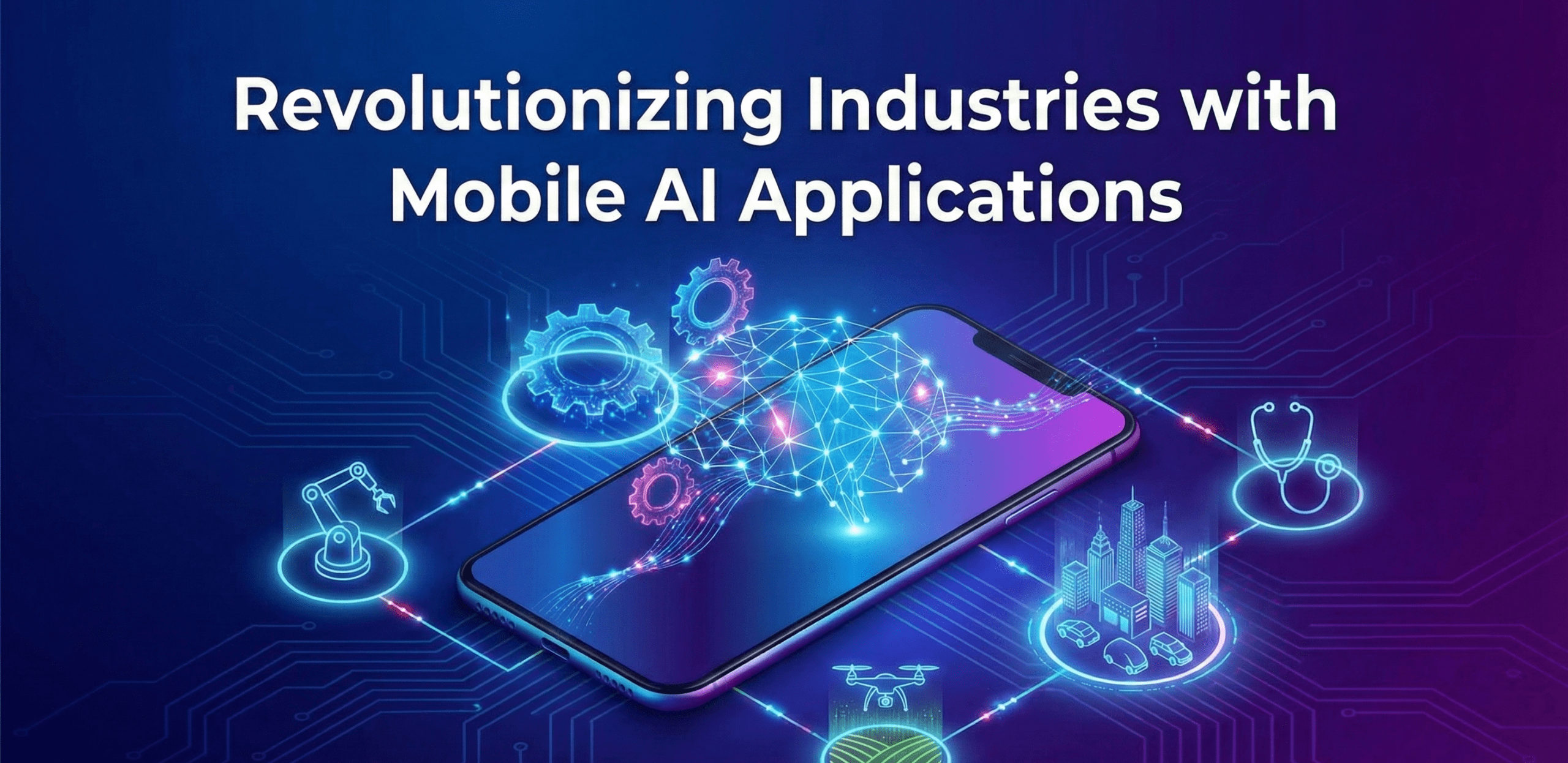
Mobile AI applications represent the integration of artificial intelligence technologies into mobile devices and applications, enabling them to perform complex tasks that traditionally required human intelligence. Examples include voice assistants such as Siri and Google Assistant, as well as intelligent photo editing applications. The expansion of mobile AI applications reflects significant technological advancement rather than a temporary trend.
Recent developments in machine learning, natural language processing, and computer vision have enhanced the capabilities of mobile devices, making them increasingly sophisticated and responsive to user needs. These technological improvements are affecting multiple industries, improving user experiences, and optimizing business processes. Understanding how mobile AI applications function across different sectors is important for recognizing their influence on both individual users and organizational operations.
Key Takeaways
- Mobile AI is transforming multiple industries by enhancing customer experience and operational efficiency.
- Healthcare, retail, manufacturing, and finance sectors are key beneficiaries of mobile AI applications.
- Mobile AI improves productivity through automation and real-time data analysis.
- Implementation challenges include data privacy, integration complexity, and technological limitations.
- Future trends point to increased adoption and more advanced, personalized mobile AI solutions.
Impact of Mobile AI on Various Industries
Mobile AI is making waves across multiple industries, and its impact is profound. In sectors like healthcare, finance, retail, and manufacturing, mobile AI applications are driving innovation and efficiency. For instance, in healthcare, AI-powered apps can analyze patient data in real-time, providing doctors with insights that can lead to better patient outcomes.
Similarly, in finance, mobile AI applications can detect fraudulent transactions almost instantaneously, safeguarding users’ assets. Moreover, the versatility of mobile AI means it can be tailored to meet the specific needs of different industries. For example, in agriculture, farmers are using mobile AI applications to monitor crop health through drone imagery and predictive analytics.
This not only enhances productivity but also promotes sustainable farming practices. The ability to harness data and derive actionable insights is what sets mobile AI apart from traditional applications.
Enhancing Customer Experience with Mobile AI

When it comes to customer experience, mobile AI is a game-changer. Imagine walking into a store where your smartphone recognizes you and suggests products based on your previous purchases. That’s the power of mobile AI at work!
By analyzing user behavior and preferences, businesses can create personalized experiences that resonate with customers on a deeper level. In my testing of various mobile AI applications, I’ve found that chatbots are particularly effective in enhancing customer service. These virtual assistants can handle inquiries 24/7, providing instant responses and freeing up human agents for more complex issues.
This not only improves customer satisfaction but also reduces operational costs for businesses. The result? A win-win scenario where customers feel valued and companies save money.
Improving Efficiency and Productivity in Industries
Mobile AI applications are not just about enhancing customer experiences; they’re also about boosting efficiency and productivity within organizations. By automating routine tasks, businesses can allocate resources more effectively and focus on strategic initiatives. For instance, in logistics, mobile AI can optimize delivery routes in real-time, reducing fuel costs and improving delivery times.
Additionally, mobile AI tools can analyze vast amounts of data quickly, providing insights that would take humans hours or even days to uncover. This capability allows companies to make informed decisions faster than ever before. In my experience, organizations that embrace mobile AI often see significant improvements in their operational efficiency, leading to increased profitability and competitiveness in their respective markets.
Mobile AI Applications in Healthcare
| Application | Primary AI Technology | Key Metrics | Use Case | Popular Platforms |
|---|---|---|---|---|
| Voice Assistants | Natural Language Processing (NLP) | Accuracy: 90-95%, Response Time: <1s | Hands-free device control, information retrieval | iOS (Siri), Android (Google Assistant) |
| Image Recognition | Computer Vision, Deep Learning | Accuracy: 85-98%, Processing Time: 0.5-2s | Photo tagging, augmented reality, object detection | iOS, Android (various apps) |
| Personalized Recommendations | Machine Learning, Collaborative Filtering | Click-through Rate: 10-20%, Conversion Rate: 5-10% | Content suggestions, e-commerce product recommendations | Mobile apps like Netflix, Amazon, Spotify |
| Health Monitoring | Predictive Analytics, Sensor Data Processing | Accuracy: 80-95%, Real-time Alerts | Heart rate monitoring, activity tracking, anomaly detection | Wearables, iOS Health, Android Health apps |
| Language Translation | Neural Machine Translation (NMT) | Translation Accuracy: 85-90%, Latency: <2s | Real-time text and speech translation | Google Translate, Microsoft Translator |
The healthcare industry is one of the most promising areas for mobile AI applications. From diagnostic tools to patient management systems, the potential for improving patient care is immense. For example, mobile AI applications can analyze medical images with remarkable accuracy, assisting radiologists in detecting anomalies that may be missed by the human eye.
Moreover, mobile AI can facilitate remote patient monitoring through wearable devices that track vital signs and health metrics in real-time. This capability not only empowers patients to take charge of their health but also enables healthcare providers to intervene proactively when necessary. As someone who has explored various healthcare apps, I can confidently say that the integration of mobile AI is paving the way for a more efficient and effective healthcare system.
Mobile AI in Retail and E-commerce

In the retail and e-commerce sectors, mobile AI is revolutionizing how businesses engage with customers. Personalized recommendations powered by machine learning algorithms are becoming the norm, allowing retailers to tailor their offerings based on individual preferences. This level of personalization not only enhances the shopping experience but also drives sales.
Additionally, mobile AI applications can analyze customer feedback and sentiment in real-time, enabling retailers to respond quickly to market trends and consumer demands. In my observations, businesses that leverage mobile AI for customer insights often outperform their competitors by staying ahead of the curve. The ability to adapt quickly to changing consumer behavior is crucial in today’s fast-paced retail environment.
Mobile AI in Manufacturing and Supply Chain Management
The manufacturing sector is another area where mobile AI is making significant strides. By integrating AI into production processes, manufacturers can optimize operations and reduce waste. For instance, predictive maintenance powered by mobile AI can identify potential equipment failures before they occur, minimizing downtime and saving costs.
In supply chain management, mobile AI applications can enhance visibility and coordination across the entire supply chain. By analyzing data from various sources, these applications can predict demand fluctuations and optimize inventory levels accordingly. In my experience with supply chain solutions, companies that adopt mobile AI often see improved efficiency and reduced operational costs.
Mobile AI in Finance and Banking
The finance and banking industries are experiencing a transformation thanks to mobile AI applications. From fraud detection to personalized financial advice, the capabilities of mobile AI are reshaping how financial institutions operate. For example, machine learning algorithms can analyze transaction patterns to identify suspicious activities in real-time, protecting customers from fraud.
Moreover, mobile AI applications can provide personalized investment recommendations based on individual risk profiles and financial goals. This level of customization empowers users to make informed decisions about their finances. In my exploration of various fintech apps, I’ve seen firsthand how mobile AI is democratizing access to financial services and enhancing user experiences.
Challenges and Opportunities in Implementing Mobile AI
While the potential of mobile AI is immense, there are challenges that organizations must navigate when implementing these technologies. One significant hurdle is data privacy and security concerns. As mobile AI applications rely heavily on user data to function effectively, ensuring that this data is protected is paramount.
Additionally, there’s the challenge of integrating mobile AI into existing systems and workflows. Organizations must invest in training employees and adapting processes to fully leverage the benefits of mobile AI. However, these challenges also present opportunities for innovation and growth.
Companies that successfully implement mobile AI can gain a competitive edge by improving efficiency and enhancing customer experiences.
Future Trends in Mobile AI Applications
Looking ahead, the future of mobile AI applications is bright and full of possibilities. As technology continues to evolve, we can expect even more sophisticated applications that leverage advanced machine learning techniques and natural language processing capabilities. For instance, voice recognition technology will likely become more accurate and context-aware, enabling seamless interactions between users and their devices.
Moreover, as 5G technology becomes more widespread, the speed and reliability of mobile AI applications will improve significantly. This advancement will open up new avenues for real-time data processing and analysis across various industries. In my opinion, we’re just scratching the surface of what’s possible with mobile AI!
The Potential of Mobile AI in Revolutionizing Industries
In conclusion, the potential of **Mobile AI** in revolutionizing industries cannot be overstated. From enhancing customer experiences to improving operational efficiency across sectors like healthcare, retail, manufacturing, and finance, mobile AI is transforming how we live and work. As we continue to embrace these technologies, it’s essential for businesses to stay informed about emerging trends and best practices.
So, what do you think? Are you excited about the future of mobile AI? How do you see it impacting your life or industry?
I’d love to hear your thoughts in the comments below!
Mobile AI applications are rapidly transforming the way we interact with technology, enhancing user experiences across various platforms. For a deeper understanding of the implications of these advancements, you might find the article on cybersecurity particularly relevant. It discusses the challenges and solutions for protecting connected devices in an increasingly digital world. You can read more about it in the article titled “Cybersecurity in the Age of IoT: Protecting Your Connected Devices” here.