Mobile artificial intelligence (AI) applications have evolved significantly in recent years, transitioning from theoretical concepts to practical tools integrated into smartphones and mobile devices. These applications are fundamentally changing how users interact with technology across multiple sectors. Mobile AI applications function through machine learning algorithms that process data, identify patterns, and generate predictions.
A key characteristic of these systems is their ability to improve through continued use, as they accumulate more data and refine their analytical capabilities. Examples include virtual assistants that manage schedules and applications that personalize shopping experiences. The widespread adoption of mobile AI reflects its practical utility in everyday contexts.
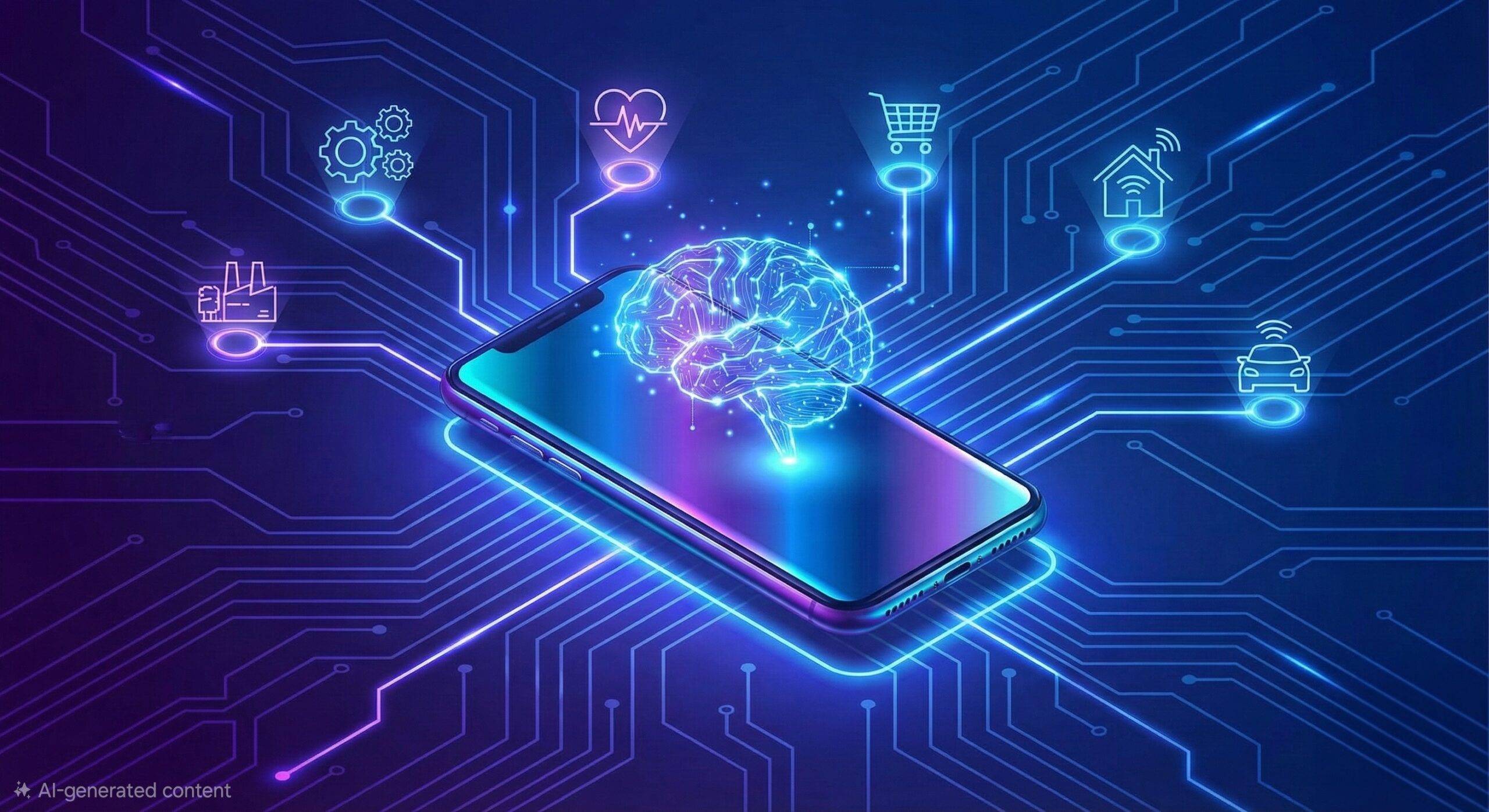
These applications are being implemented across various industries, including healthcare, finance, retail, and productivity management. As mobile AI technology continues to advance, its applications are expected to expand further, offering enhanced functionality and more sophisticated user experiences.
Key Takeaways
- Mobile AI is transforming various sectors including healthcare, education, business, and transportation.
- It enhances everyday life by improving communication, entertainment, and personal productivity.
- In healthcare, mobile AI supports diagnostics, patient monitoring, and personalized treatment.
- The future of mobile AI promises more advanced, integrated applications across all industries.
- Harnessing mobile AI’s potential requires addressing challenges like privacy, security, and ethical use.
The Impact of Mobile AI on Everyday Life
Mobile AI applications have infiltrated our daily lives in ways that are both subtle and profound. Think about it: when was the last time you used your smartphone without interacting with some form of AI? Whether it’s your favorite navigation app suggesting the quickest route or your social media feed curating content based on your interests, mobile AI is everywhere.
It’s like having a digital butler who anticipates your needs before you even voice them! One of the most significant impacts of mobile AI is its ability to enhance convenience. With just a few taps on your screen, you can access a wealth of information, communicate with friends, or even control smart home devices.
This level of accessibility has made our lives easier and more efficient. However, it also raises questions about privacy and data security. As we embrace these technologies, we must remain vigilant about how our data is being used and protected.
Mobile AI in Healthcare

When it comes to healthcare, mobile AI applications are nothing short of revolutionary. Imagine having a virtual health assistant that can monitor your vital signs, remind you to take your medication, and even provide personalized health advice—all from your smartphone! In my testing of various health apps, I’ve seen firsthand how they can empower users to take charge of their health in ways that were previously unimaginable.
Mobile AI is also making waves in diagnostics and treatment planning. For instance, AI algorithms can analyze medical images with remarkable accuracy, helping doctors identify conditions like cancer at earlier stages. This not only improves patient outcomes but also streamlines the healthcare process.
However, while the potential is immense, it’s crucial to ensure that these technologies are used ethically and responsibly, keeping patient privacy at the forefront.
Mobile AI in Education
Education is another sector experiencing a significant transformation thanks to mobile AI applications. Gone are the days when learning was confined to textbooks and classrooms. Now, students can access personalized learning experiences right from their smartphones.
AI-driven educational apps can adapt to individual learning styles, providing tailored content that meets each student’s unique needs. In my experience with educational apps, I’ve found that they can make learning more engaging and interactive. For example, language-learning apps use AI to create immersive experiences that help users practice speaking and comprehension skills in real-time.
Additionally, mobile AI can assist teachers by automating administrative tasks, allowing them to focus more on what they do best: teaching! However, as we embrace these innovations, we must also consider the digital divide and ensure that all students have access to these powerful tools.
Mobile AI in Business and Finance
| Metric | Description | Example Value | Unit |
|---|---|---|---|
| App Downloads | Number of times a mobile AI application has been downloaded | 5,000,000 | Downloads |
| Average Latency | Time taken for AI model to respond within the app | 150 | Milliseconds |
| Model Size | Size of the AI model embedded in the mobile app | 25 | MB |
| Battery Consumption | Percentage of battery used per hour by the AI app | 12 | % per hour |
| Accuracy | Performance accuracy of AI tasks (e.g., image recognition) | 92 | % |
| Active Users | Number of daily active users engaging with the AI app | 1,200,000 | Users |
| Supported Languages | Number of languages the AI app can process or understand | 15 | Languages |
| Update Frequency | How often the AI model or app is updated | 1 | Month |
In the world of business and finance, mobile AI applications are driving efficiency and innovation like never before. From chatbots that handle customer inquiries to predictive analytics that forecast market trends, AI is reshaping how companies operate. In my testing of various business apps, I’ve seen how they can streamline processes and enhance decision-making.
One of the most exciting developments is the use of AI in financial services. Mobile banking apps now leverage AI to detect fraudulent transactions in real-time, providing an added layer of security for users. Additionally, investment platforms use machine learning algorithms to analyze market data and provide personalized investment advice.
However, as businesses increasingly rely on AI, it’s essential to maintain transparency and accountability in these systems to build trust with consumers.
Mobile AI in Transportation and Logistics

Transportation and logistics are undergoing a seismic shift thanks to mobile AI applications. Picture this: self-driving cars navigating through traffic while optimizing routes based on real-time data. While we’re not quite there yet, mobile AI is already making significant strides in improving transportation efficiency.
In my experience with navigation apps, I’ve seen how they can adapt to changing traffic conditions and suggest alternative routes to save time. Moreover, logistics companies are using AI to optimize supply chain management. By analyzing data from various sources, mobile AI can predict demand fluctuations and streamline inventory management.
This not only reduces costs but also enhances customer satisfaction by ensuring timely deliveries. However, as we embrace these advancements, we must also consider the ethical implications of automation and its impact on jobs within the industry.
Mobile AI in Entertainment and Gaming
The entertainment industry is no stranger to innovation, and mobile AI applications are taking things to a whole new level. From personalized content recommendations on streaming platforms to immersive gaming experiences powered by AI-driven characters, the possibilities are endless! In my testing of various entertainment apps, I’ve been amazed at how they can tailor experiences based on user preferences.
Gaming is particularly exciting when it comes to mobile AI. Developers are using machine learning algorithms to create dynamic game environments that adapt to player behavior. This means that no two gaming experiences are the same!
Additionally, AI can enhance storytelling by creating more realistic characters and plotlines. However, as we dive deeper into this realm of entertainment, we must also consider the potential for addiction and ensure that these technologies promote healthy engagement.
Mobile AI in Communication and Social Media
Communication has evolved dramatically with the advent of mobile AI applications. Social media platforms now leverage AI algorithms to curate content that aligns with user interests, making it easier for us to connect with like-minded individuals. In my experience with various social media apps, I’ve noticed how they can enhance user engagement by providing personalized feeds that keep us coming back for more.
However, this personalization comes with its own set of challenges. The algorithms that power these platforms can create echo chambers, limiting exposure to diverse perspectives. Additionally, concerns about privacy and data security are more pressing than ever as users share personal information online.
As we navigate this landscape, it’s crucial to strike a balance between personalization and responsible usage.
Mobile AI in Personal Assistants and Productivity
Personal assistants powered by mobile AI have become indispensable tools for many of us. Whether it’s setting reminders, managing calendars, or answering questions on-the-go, these virtual helpers are designed to make our lives easier. In my testing of various personal assistant apps, I’ve found that they can significantly boost productivity by automating mundane tasks.
Moreover, mobile AI applications can analyze our work habits and suggest ways to optimize our time management. For instance, some productivity apps use machine learning to identify patterns in our schedules and recommend adjustments for better efficiency. However, as we rely more on these tools, it’s essential to remain mindful of potential distractions and ensure that technology enhances rather than hinders our productivity.
The Future of Mobile AI Applications
As we look ahead, the future of mobile AI applications is brimming with potential. We’re already witnessing advancements in natural language processing and computer vision that will further enhance user experiences across various sectors. Imagine having an app that can understand your emotions based on your voice tone or facial expressions—this could revolutionize how we interact with technology!
However, with great power comes great responsibility. As mobile AI continues to evolve, ethical considerations will play a crucial role in shaping its development. Issues such as data privacy, algorithmic bias, and job displacement must be addressed proactively to ensure that these technologies benefit society as a whole.
Harnessing the Potential of Mobile AI
In conclusion, mobile AI applications are transforming our lives in ways we could only dream of a few years ago. From healthcare to education and beyond, these technologies are enhancing convenience and efficiency while also raising important ethical questions. As we harness the potential of mobile AI, it’s essential to remain vigilant about privacy concerns and ensure that these innovations serve humanity positively.
So what do you think? Are you excited about the future of mobile AI? Or do you have concerns about its implications?
I’d love to hear your thoughts in the comments below! Let’s keep this conversation going as we navigate this exciting technological landscape together!
Mobile AI applications are rapidly transforming the way we interact with technology, enhancing user experiences across various platforms. For a deeper understanding of how these advancements are shaping our digital landscape, you can explore the article on cybersecurity, which discusses the importance of protecting connected devices in an increasingly AI-driven world. Check it out here: Cybersecurity in the Age of IoT: Protecting Your Connected Devices.