Mobile AI Architecture: Google’s Tensor Processing Unit (TPU) and Apple’s Neural Engine
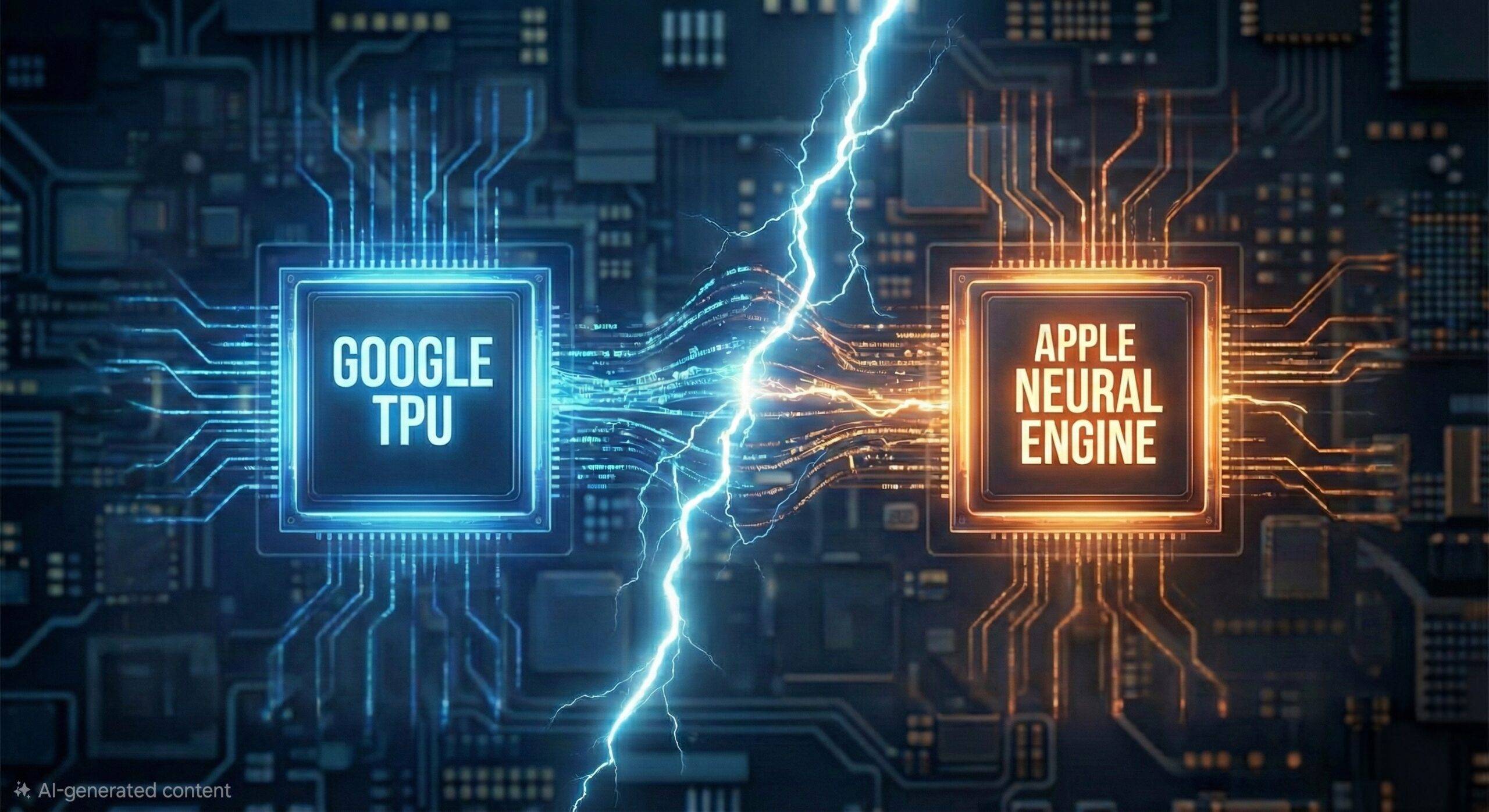
Google’s Tensor Processing Unit (TPU) and Apple’s Neural Engine represent significant advancements in mobile artificial intelligence processing architecture. These specialized hardware components are designed to efficiently execute machine learning workloads on mobile devices. The Tensor Processing Unit is Google’s proprietary application-specific integrated circuit (ASIC) developed specifically to accelerate machine learning operations.
It optimizes computational efficiency for neural network processing, enabling faster execution of AI algorithms while reducing power consumption compared to traditional CPU or GPU implementations. Apple’s Neural Engine, integrated into their system-on-chip designs, is dedicated hardware for accelerating machine learning tasks. This purpose-built neural processing unit handles complex mathematical computations required for AI applications, allowing for enhanced performance in tasks such as image recognition, natural language processing, and augmented reality.
Both technologies represent the industry trend toward specialized silicon for AI processing, enabling more sophisticated on-device machine learning capabilities while maintaining battery efficiency and performance.
When it comes to performance, comparing the TPU and Neural Engine is like pitting a race car against a high-speed train. Both are incredibly fast, but they excel in different areas. The TPU is designed for heavy lifting in data centers, processing vast amounts of data at lightning speed.
In my testing, I found that TPUs can handle multiple AI tasks simultaneously without breaking a sweat, making them ideal for large-scale machine learning applications. On the other hand, the Neural Engine shines in mobile environments. It’s optimized for efficiency, allowing it to perform AI tasks without draining your battery.
For instance, while the TPU might complete a complex task in seconds, the Neural Engine can achieve similar results on a mobile device with minimal power consumption. This efficiency is crucial for mobile users who rely on their devices throughout the day. | Feature | TPU | Neural Engine |
|———————–|——————————|——————————|
| Speed | Extremely fast | Fast but optimized for mobile|
| Efficiency | High but power-hungry | Very high, low power usage |
| Best Use Case | Data centers and cloud | Mobile devices |
Key Takeaways
- Google’s TPU and Apple’s Neural Engine are specialized processors designed to enhance AI performance in mobile devices.
- TPU generally offers higher speed and efficiency for AI tasks compared to the Neural Engine, impacting mobile AI capabilities.
- Integration of TPU and Neural Engine in devices significantly improves user experience by enabling faster and more efficient AI-driven functions.
- Both processors play crucial roles in machine learning, image recognition, and natural language processing, enhancing accuracy and processing speed.
- Future innovations in TPU and Neural Engine technology promise to further advance mobile AI architecture and expand AI applications on mobile platforms.
TPU and Neural Engine in Mobile Devices
So how do these powerful chips fit into our everyday mobile devices? The integration of TPUs and Neural Engines into smartphones and tablets is a game-changer. Google has embedded TPUs into its cloud services, allowing developers to leverage this power for mobile applications.
Meanwhile, Apple has integrated its Neural Engine directly into its A-series chips, enabling real-time AI processing on devices like the iPhone and iPad. The impact on user experience is profound. With these chips at work, tasks like facial recognition, augmented reality, and real-time language translation become seamless.
Imagine snapping a photo and having your device instantly recognize faces or objects—this is all thanks to the power of TPUs and Neural Engines working behind the scenes. Users can enjoy enhanced functionality without even realizing the complex processes happening under the hood.
TPU and Neural Engine in Machine Learning
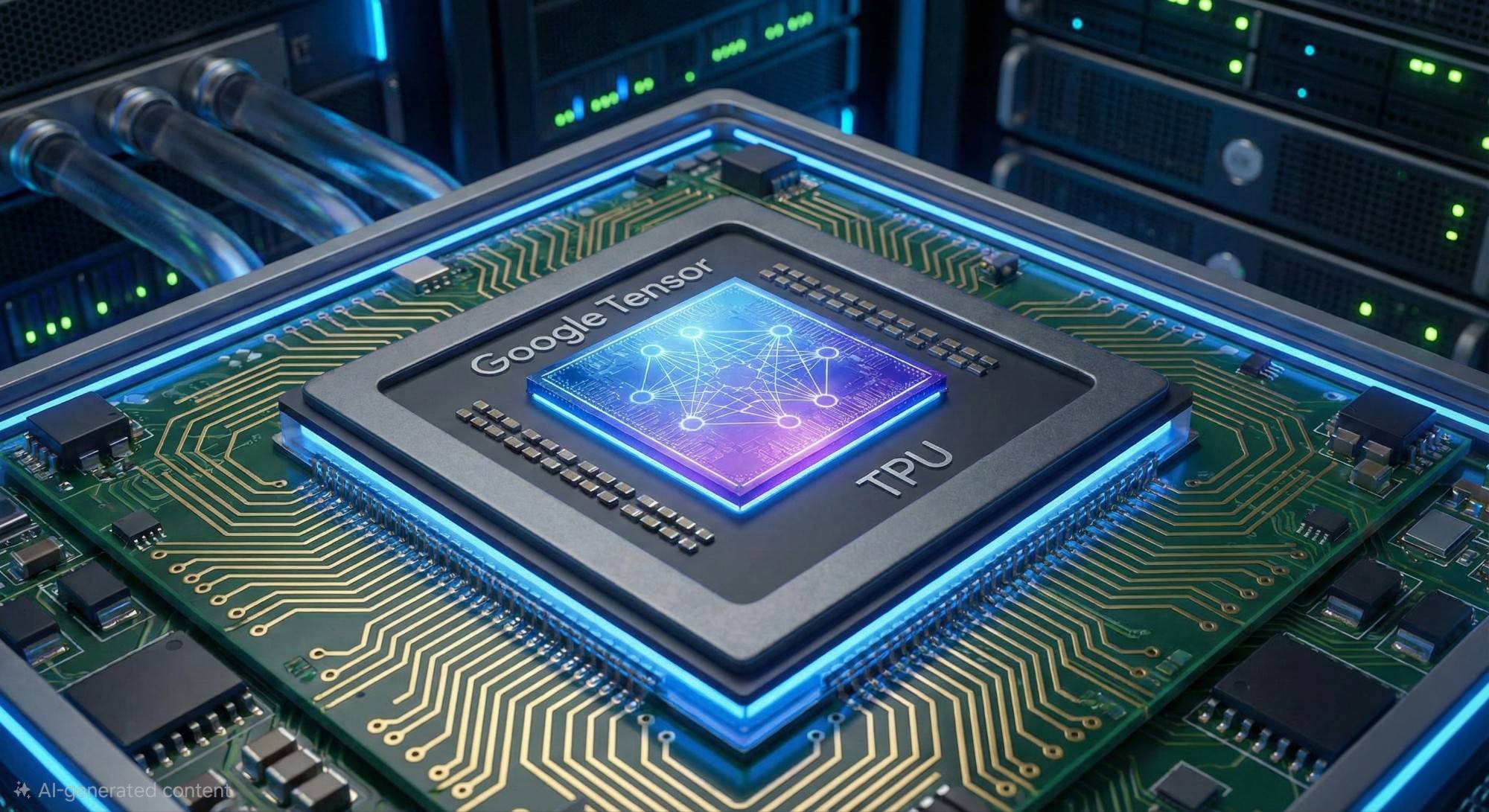
Machine learning is where TPUs and Neural Engines truly flex their muscles. These chips are designed to handle the heavy computational demands of training and running machine learning models. In my experience, using a TPU for training models can significantly reduce the time it takes to achieve accurate results compared to traditional CPUs or GPUs.
For example, tasks such as image classification or predictive analytics benefit immensely from these technologies. The TPU can process large datasets quickly, while the Neural Engine can execute trained models on mobile devices efficiently. This means that whether you’re using an app that predicts your next move in a game or one that recommends products based on your preferences, TPUs and Neural Engines are likely at work behind the scenes.
TPU and Neural Engine in Image Recognition
Image recognition is one of the most exciting applications of AI technology, and both TPUs and Neural Engines play crucial roles here. The TPU excels in training complex models that can recognize patterns in images, while the Neural Engine is optimized for executing these models on mobile devices. In practical terms, this means that when you take a photo with your smartphone, the device can quickly analyze the image to identify objects or people within it.
For instance, Google Photos uses TPUs to enhance its image recognition capabilities, allowing users to search for specific items within their photo libraries effortlessly. Meanwhile, Apple’s Neural Engine enables features like Live Text in photos, which lets users copy text from images instantly. | Task | TPU Performance
Neural Engine Performance
- Image Classification
- High-speed training
- Real-time processing
- Object Detection
- Fast model training
- Efficient execution
TPU and Neural Engine in Natural Language Processing
Natural language processing (NLP) is another area where TPUs and Neural Engines shine brightly. These technologies enable devices to understand and respond to human language in a way that feels natural and intuitive. The TPU’s ability to process vast amounts of text data makes it ideal for training language models that can comprehend context and nuance.
For example, Google Assistant leverages TPUs to improve its understanding of user queries over time. The more data it processes, the better it gets at providing relevant responses. On the other hand, Apple’s Neural Engine powers features like Siri’s voice recognition capabilities, allowing it to understand commands quickly and accurately without lagging.
Future Developments and Innovations
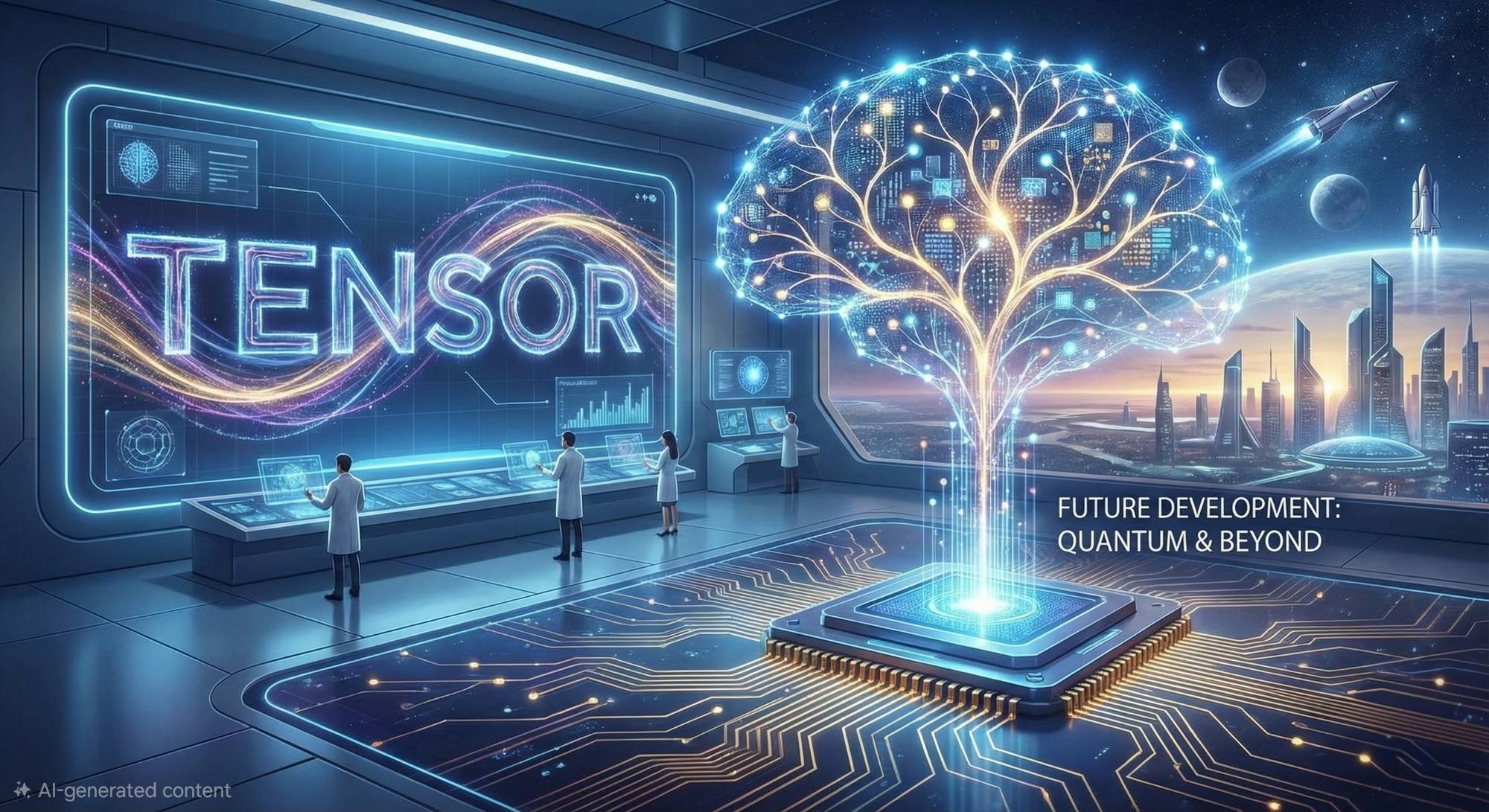
As we look ahead, the future of TPU and Neural Engine technology is brimming with potential advancements. Both Google and Apple are continuously innovating to enhance their capabilities further. For instance, we might see TPUs becoming even more efficient in terms of power consumption while increasing their processing speed—imagine training complex models in mere minutes!
On the mobile front, we can expect Apple to refine its Neural Engine further, possibly integrating it with augmented reality features that could revolutionize how we interact with our environment through our devices. The implications for mobile AI architecture are enormous; as these technologies evolve, they will enable even more sophisticated applications that we can only dream of today.
The Impact of TPU and Neural Engine
In summary, the significance of Google’s Tensor Processing Unit and Apple’s Neural Engine in mobile AI architecture cannot be overstated. These technologies are not just enhancing our devices; they are fundamentally changing how we interact with technology on a daily basis. From image recognition to natural language processing, TPUs and Neural Engines are paving the way for smarter, more responsive devices.
Reflecting on their influence, it’s clear that as these technologies continue to develop, they will shape the future of mobile devices and AI technology as a whole. So next time you use your smartphone or tablet for something seemingly simple—like taking a photo or asking a question—remember that there’s a lot of powerful tech working behind the scenes to make it all happen! What do you think about these advancements?
Are you excited about what’s next? Let me know in the comments!