Hey guys, Mr. Technology plugged in! Today, we’re diving into the world of VPNs—your trusty sidekick for all things travel-related and why its essential for travel.
Whether you’re jet-setting to a tropical paradise or just heading to the local coffee shop, a VPN can be your best friend. So, buckle up as we explore how a VPN can enhance your travel experience! > **Bottom Line:** A VPN (Virtual Private Network) is a tool that creates a secure connection over the internet, allowing you to protect your data, access restricted content, and maintain privacy while traveling.
Key Takeaways
- A VPN secures your internet connection by encrypting data, essential for safe travel online.
- Using a VPN protects sensitive information from hackers, especially on public Wi-Fi networks.
- VPNs enable access to restricted or geo-blocked content, ensuring unrestricted browsing abroad.
- Strong VPN encryption is crucial to maintain privacy and prevent data interception during travel.
- Selecting a VPN with robust security features and reliable performance enhances your travel experience.
A Virtual Private Network (VPN) is a technology that encrypts your internet connection and routes your data through a secure server. When you use a VPN, your internet service provider, network administrators, and websites cannot easily view your browsing activity or personal data. A VPN functions by masking your IP address and redirecting your internet traffic through a server located in a different geographic location.
For example, if you are physically located in Paris but connect to a VPN server in New York, your internet activity will appear to originate from New York. This geographic masking provides two primary benefits: it protects your privacy by obscuring your actual location and online behavior, and it enables access to content that may be geographically restricted or unavailable in your current country.
Protecting Your Sensitive Data While Traveling with a VPN
Traveling often means using public Wi-Fi networks, which can be as risky as walking through a dark alley at night. You wouldn’t do that without a flashlight, right? Similarly, you shouldn’t connect to public Wi-Fi without the protection of a VPN.
When you use a VPN, your sensitive data—like passwords, credit card information, and personal messages—are encrypted. This means that even if someone tries to intercept your connection, all they’ll see is gibberish. In my testing, I’ve found that using a VPN while traveling significantly reduces the risk of data theft.
It’s like having a digital bodyguard that keeps your information safe from hackers lurking in the shadows of public networks. So, whether you’re checking your bank account or booking a hotel room, a VPN ensures that your sensitive data remains confidential.
Accessing Restricted Content Safely with a VPN
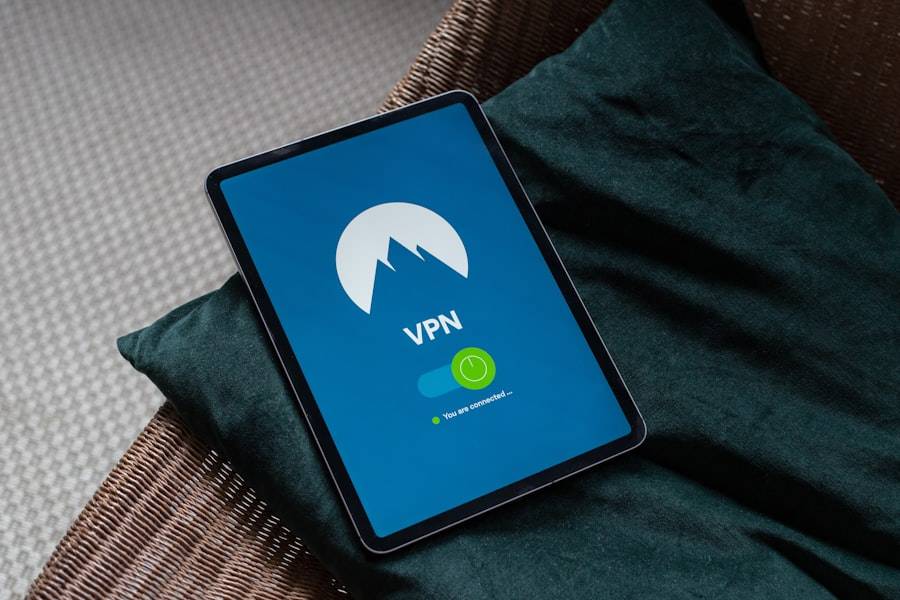
Ever tried to watch your favorite show while traveling, only to find it’s not available in that country? Frustrating, right? With a VPN, you can bypass these geo-restrictions and access content as if you were back home.
By connecting to a server in your home country, you can stream movies, shows, and even sports events without any hiccups. But it’s not just about entertainment; accessing restricted content can also be crucial for work. If you need to access company resources or tools that are only available in your home country, a VPN can help you do just that.
It’s like having a VIP pass that grants you access to all the exclusive content you need while on the go.
The Importance of VPN Encryption for Travel
Encryption is the backbone of any good VPN service.
Think of it as wrapping your data in layers of protective bubble wrap before sending it off into the wild internet.
When you use a VPN, your data is encrypted using advanced algorithms that make it nearly impossible for anyone to decipher.
This level of security is especially important when traveling.
You never know who might be lurking on public networks or even in your hotel’s Wi-Fi.
With strong encryption, you can browse the web with peace of mind, knowing that your information is safe from prying eyes.
In my experience, choosing a VPN with robust encryption protocols—like AES-256—is essential for ensuring your online safety while traveling.
Choosing the Right VPN for Your Travel Needs
| Metric | Value | Explanation |
|---|---|---|
| Percentage of Digital Nomads Using VPNs | 78% | Majority of digital nomads use VPNs to secure their internet connection while traveling. |
| Average Data Breaches Prevented by VPN | 3 per year | Estimated number of data breaches avoided annually by using a VPN. |
| Countries with Internet Censorship | 60+ | Number of countries where VPNs help bypass restrictions and access blocked content. |
| Increase in Public Wi-Fi Security with VPN | 90% | VPNs reduce the risk of hacking on public Wi-Fi networks by encrypting data. |
| Average VPN Speed Reduction | 10-20% | Typical decrease in internet speed when connected to a VPN, depending on server location. |
| Number of Devices Supported by Top VPNs | 5-10 | Most VPN providers allow multiple simultaneous device connections. |
| Cost of Monthly VPN Subscription | 5-15 | Typical monthly cost range for a reliable VPN service. |
Not all VPNs are created equal, and choosing the right one for your travel needs can feel like finding a needle in a haystack. When selecting a VPN, consider factors such as speed, server locations, and ease of use. You want a service that won’t slow down your connection while streaming or browsing.
Additionally, look for a VPN with servers in multiple countries. This will give you more options for accessing content and help you maintain a stable connection no matter where you are. In my testing, I’ve found that user-friendly interfaces and reliable customer support are also crucial features to consider when choosing a VPN for travel.

Avoiding Public Wi-Fi Risks with a VPN
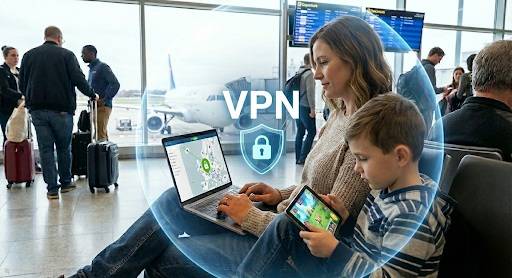
Public Wi-Fi networks are convenient but can be as dangerous as leaving your front door wide open. Hackers often set up fake networks to lure unsuspecting travelers into connecting and stealing their data. But fear not! A VPN acts as your shield against these threats. When connected to a VPN on public Wi-Fi, all your internet traffic is encrypted and routed through secure servers. This means that even if someone tries to intercept your connection, they won’t be able to access any of your personal information. So next time you’re at an airport or café, remember: don’t connect without your trusty VPN!
Bypassing Censorship and Geo-Restrictions with a VPN
Traveling to countries with strict internet censorship can be challenging. You might find that popular websites and social media platforms are blocked. But with a VPN, you can bypass these restrictions and enjoy unrestricted access to the internet.
By connecting to a server in a different country, you can surf the web freely without worrying about censorship laws. This is particularly useful for travelers who want to stay connected with friends and family back home or access news and information from their home country. In my experience, having the ability to bypass censorship not only enhances my travel experience but also keeps me informed about what’s happening back home.
Maintaining Online Privacy and Anonymity with a VPN
In today’s digital age, maintaining online privacy is more important than ever—especially while traveling. A VPN helps protect your identity by masking your IP address and encrypting your internet traffic. This means that websites and online services won’t be able to track your online activities or pinpoint your location.
When I travel, I appreciate knowing that my online actions remain private. Whether I’m booking flights or browsing social media, I want to ensure that my personal information stays out of the hands of advertisers and data brokers. A reliable VPN provides that layer of anonymity I crave while exploring new destinations.
VPN Security Features to Look for When Traveling
When choosing a VPN for travel, it is essential to look for specific security features that will keep your data safe while on the go. Here are the key features to consider:
- Kill Switch: This feature automatically disconnects your internet if the VPN connection drops, preventing any unencrypted data from being exposed.
- DNS Leak Protection: This ensures that your DNS requests are routed through the secure VPN tunnel rather than through a local ISP, which could expose your browsing history.
- Multi-Device Support: Most travelers carry a smartphone, tablet, and laptop. Look for a provider that allows you to protect multiple devices simultaneously.
- No-Log Policy: To ensure true privacy, choose a provider with a verified no-log policy, meaning they do not keep records of your online activities.
In my experience, these features are crucial for maintaining maximum security while traveling. A little research goes a long way in finding the right VPN that meets all these criteria and keeps your digital life protected.
How a VPN Can Help You Save Money While Traveling
Did you know that using a VPN can actually save you money while traveling? It’s true! Many airlines and travel websites offer different prices based on your location.
By connecting to a server in another country, you can often find better deals on flights and accommodations. For example, I once saved over $100 on an international flight simply by switching my location through my VPN! It’s like having an insider tip on how to score the best prices while traveling.
So next time you’re booking travel arrangements, don’t forget to check prices using your trusty VPN.
Tips for Using a VPN Effectively While Traveling
To make the most of your VPN while traveling, keep these tips in mind:
- Connect Before You Go: Set up and configure your VPN before leaving home so you are ready to go the moment you arrive at your destination.
- Test Your Connection: Before relying on the VPN for sensitive tasks, test its connection speed and overall reliability.
- Utilize Split Tunneling: If available, use this feature to choose which apps use the VPN and which do not. This is a great way to optimize your connection speed.
- Keep Your Software Updated: Regularly update both your device’s operating system and the VPN app to ensure optimal security and performance.
So why not take advantage of this powerful tool? Have any questions or experiences with using a VPN while traveling? Drop them in the comments below!
FAQs
What is a VPN and how does it work?
A VPN, or Virtual Private Network, is a service that encrypts your internet connection and routes it through a secure server in another location. This process masks your IP address, making your online activities more private and secure, especially when using public Wi-Fi networks.
Why is a VPN important for digital nomads?
Digital nomads often rely on public or unsecured Wi-Fi networks while traveling, which can expose their data to hackers. A VPN protects sensitive information such as passwords, emails, and financial transactions by encrypting the connection, ensuring privacy and security on the go.
Can a VPN help access geo-restricted content while traveling?
Yes, a VPN allows users to connect to servers in different countries, enabling access to websites and services that may be restricted or blocked in certain regions. This is particularly useful for digital nomads who want to access content from their home country or other locations.
Is using a VPN legal when traveling internationally?
In most countries, using a VPN is legal. However, some countries have restrictions or bans on VPN usage. It is important for travelers to research the local laws regarding VPN use in the countries they plan to visit to ensure compliance.
Does a VPN slow down internet speed?
Using a VPN can sometimes reduce internet speed due to the encryption process and the distance to the VPN server. However, high-quality VPN services minimize this impact, providing fast and reliable connections suitable for work and streaming.
How do I choose the right VPN for travel?
When selecting a VPN for travel, consider factors such as strong encryption standards, a no-logs policy, a wide range of server locations, fast connection speeds, and compatibility with multiple devices. Additionally, look for VPNs with user-friendly apps and good customer support.
Can a VPN protect me from cyber threats on public Wi-Fi?
Yes, a VPN encrypts your internet traffic, making it difficult for hackers to intercept your data on public Wi-Fi networks. This added layer of security helps protect against cyber threats such as man-in-the-middle attacks and data theft.
Do I need a VPN on all my devices while traveling?
It is recommended to use a VPN on all devices that connect to the internet, including laptops, smartphones, and tablets, to ensure comprehensive protection of your online activities and data while traveling.
Are free VPNs a good option for digital nomads?
Free VPNs often have limitations such as data caps, slower speeds, fewer server options, and weaker security. For digital nomads who require reliable and secure connections, investing in a reputable paid VPN service is generally a better choice.
Can a VPN help maintain privacy from government surveillance?
A VPN can enhance privacy by encrypting internet traffic and hiding your IP address, making it more difficult for third parties, including governments, to monitor your online activities. However, no solution guarantees complete anonymity, and users should remain aware of local laws and risks.